Overview
Breast augmentation is one of the most popular and transformative cosmetic procedures available. This surgery enhances breast size and shape using carefully selected implants, creating natural-looking results that complement your body's proportions and align with your aesthetic goals.
Whether you're looking to restore volume lost after pregnancy and breastfeeding, correct natural asymmetry, or simply achieve the fuller breast size you've always desired, breast augmentation offers a personalized solution tailored to your unique anatomy and aspirations.
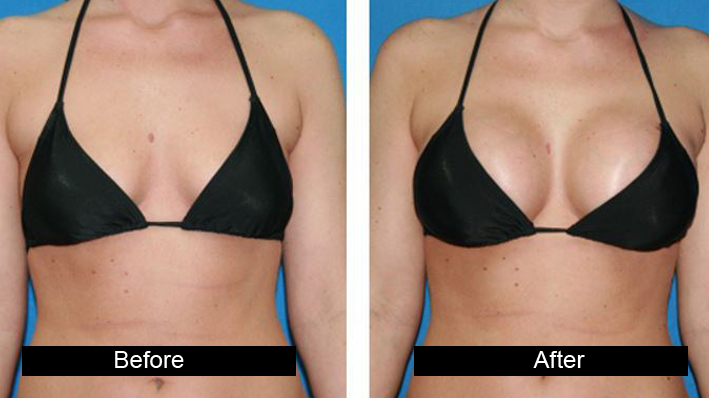
Why Choose Breast Augmentation?
Patients choose breast augmentation for various personal reasons, all of which are valid and respected. Common motivations include:
- Enhance breast volume and fullness
- Restore breast shape after pregnancy or weight loss
- Improve symmetry between breasts
- Boost self-confidence and body image
- Achieve better proportion with your body frame
- Feel more comfortable in clothing and swimwear
The Consultation Process
Your journey begins with a comprehensive consultation where we discuss your goals, expectations, and medical history in detail. This is an opportunity to ask questions, express concerns, and understand every aspect of the procedure.
During the consultation, we will:
- Evaluate your current breast anatomy and chest wall structure
- Discuss your desired size and appearance
- Review implant options (size, shape, profile, texture)
- Explain surgical techniques and incision placement
- Use sizing techniques to help visualize results
- Address your questions and concerns thoroughly
- Provide realistic expectations about outcomes
Personalized Approach
Every breast augmentation is customized to the individual. There is no "one size fits all" approach. Your implant selection, surgical technique, and aesthetic goals are unique to you, and our approach reflects that individuality.
Implant Options
Implant Type
Silicone Gel Implants: These are the most commonly chosen option. Modern silicone implants use cohesive gel that maintains its shape and provides a natural feel similar to breast tissue.
Saline Implants: Filled with sterile salt water, these implants can be adjusted during surgery for precise sizing and symmetry correction.
Implant Shape
Round Implants: Provide fullness in the upper breast and create a more pronounced appearance. Excellent for patients seeking noticeable enhancement.
Anatomical (Teardrop) Implants: Designed to mimic the natural slope of the breast, with more volume at the bottom and a gradual taper toward the top.
Implant Profile
Profile refers to how much the implant projects from the chest wall. Options include low, moderate, moderate-plus, high, and ultra-high profiles. Your chest width and desired outcome determine the best profile for you.
Surgical Technique
Incision Placement
We offer several incision options, each with specific advantages:
- Inframammary (Breast Fold): Most common approach, hidden in the natural crease beneath the breast
- Periareolar (Around Nipple): Concealed at the edge of the areola, excellent for simultaneous lift procedures
- Transaxillary (Armpit): No scarring on the breast itself, approached through the underarm
- Transumbilical (Belly Button): Rarely used, limited to saline implants only
Implant Placement
Submuscular (Under the Muscle): Implant placed beneath the pectoralis muscle. Provides more natural-looking upper breast contour, particularly in patients with minimal breast tissue. May reduce visible rippling and provides better mammogram imaging.
Subglandular (Over the Muscle): Implant placed between the breast tissue and chest muscle. Shorter recovery, less discomfort, and more upper breast fullness. Best for patients with adequate natural breast tissue.
Dual Plane: Combines both approaches, with the upper portion under the muscle and lower portion under the breast tissue. Offers advantages of both techniques.
The Procedure
Breast augmentation typically takes 1.5 to 2 hours under general anaesthesia. The surgery is performed as a day case, meaning you return home the same day.
The procedure follows these general steps:
- Anaesthesia administration for your comfort
- Surgical incision at the predetermined location
- Creation of a pocket for the implant
- Careful insertion and positioning of the implant
- Verification of symmetry and positioning
- Closure of incisions with dissolvable sutures
- Application of surgical dressings and support garment
Recovery & Aftercare
Understanding the recovery process helps you prepare and ensures optimal results.
Immediate Recovery (Week 1)
- Mild to moderate discomfort managed with prescribed medication
- Swelling and bruising are normal and expected
- Wear surgical support garment continuously
- Rest and avoid strenuous activities
- Keep incisions clean and dry
- Sleep on your back with upper body elevated
Short-term Recovery (Weeks 2-4)
- Gradual return to light daily activities
- Continue wearing support garment as directed
- Avoid heavy lifting and vigorous exercise
- Swelling continues to decrease
- Return to work typically within 1-2 weeks (desk jobs)
Long-term Recovery (Weeks 4-12)
- Resume most normal activities including exercise
- Implants settle into final position
- Scars continue to fade and mature
- Final results become more apparent
- Regular follow-up appointments to monitor healing
Important Recovery Guidelines
Every patient heals differently. Follow your surgeon's specific post-operative instructions carefully. Attend all scheduled follow-up appointments. Contact us immediately if you experience unusual symptoms such as severe pain, fever, or signs of infection.
Results & Longevity
Most patients are thrilled with their breast augmentation results, experiencing enhanced confidence and satisfaction with their appearance. While you'll notice immediate changes, final results develop over several months as swelling resolves and implants settle.
Modern breast implants are highly durable, but they are not considered lifetime devices. Most implants last 10-20 years, though many patients never need replacement. Regular monitoring and follow-up care ensure your implants remain in excellent condition.
Risks & Considerations
As with any surgical procedure, breast augmentation carries certain risks. We believe in full transparency about potential complications:
- Infection (rare with proper care and antibiotics)
- Bleeding or hematoma
- Changes in nipple or breast sensation (usually temporary)
- Capsular contracture (scar tissue tightening around implant)
- Implant rupture or leakage (very rare with modern implants)
- Asymmetry or implant malposition
- Need for revision surgery
These risks are minimized through careful surgical technique, sterile operating conditions, appropriate post-operative care, and selecting an experienced, board-certified plastic surgeon.
Cost Investment
The cost of breast augmentation varies based on several factors including implant type, surgical complexity, and anaesthesia requirements. During your consultation, you'll receive a detailed cost breakdown with no hidden fees.
Consider that this investment includes not only the surgery itself but also comprehensive pre-operative care, the procedure, post-operative follow-up, and our ongoing commitment to your satisfaction and wellbeing.